Top 10 Essential Tools Every Full-Stack Developer Should Know
In the ever-evolving landscape of web development, becoming a proficient full-stack developer requires mastery of a diverse array of tools. Here are the top 10 essential tools every full-stack developer should know:
- JavaScript - The backbone of web development, enabling interactive and dynamic content.
- HTML & CSS - The fundamental building blocks for creating structured and styled web pages.
- React or Angular - Powerful JavaScript frameworks for building user interfaces and managing state efficiently.
- Node.js - A runtime that allows developers to use JavaScript server-side, streamlining the development process.
- Git - An essential version control system for tracking changes in code and collaborating with other developers.
- SQL & NoSQL Databases - Understanding both types of databases is crucial for data management and retrieval.
- Docker - A containerization tool that helps in developing, shipping, and running applications seamlessly.
- Postman - Vital for API testing and understanding how different services interact with each other.
- Visual Studio Code - A lightweight and powerful code editor with a wealth of extensions tailored for efficient coding.
- Webpack - A module bundler that optimizes and enhances the performance of web applications.
Utilizing these tools effectively can drastically improve a full-stack developer’s productivity and code quality. For instance, Git not only enables collaborative work but also safeguards project history, allowing developers to revert to previous versions if necessary. Similarly, using Docker can streamline the deployment process, making it easier to ensure consistency across different environments. As the field of development continues to expand, staying updated with these essential tools will provide full-stack developers with a competitive edge in the job market.
How to Fuel Your Coding Productivity with the Perfect Coffee Brew
For many coders, the right coffee brew can make all the difference when it comes to productivity. The perfect cup of coffee not only wakes you up but also enhances focus and creativity, allowing you to tackle complex coding challenges with enthusiasm. To fuel your coding productivity, consider experimenting with different brewing methods such as French press, AeroPress, or pour-over. Each method brings out unique flavors and caffeine profiles that can align with your personal preferences, ultimately leading to a more enjoyable coding experience.
When choosing the ideal coffee for your coding sessions, think about your caffeine sensitivity and the time of day. A morning brew with a higher caffeine content, like a dark roast, may kickstart your day, while a lighter roast could be better suited for an afternoon pick-me-up without the risk of jitters. Additionally, consider incorporating coffee-related rituals into your coding routine:
- Use freshly ground beans for a richer flavor.
- Try brewing a latte or a cappuccino for a comforting experience.
- Limit sugary additives to maintain focus.
By understanding how coffee affects your body and mood, you can unlock new levels of productivity and creativity while coding.
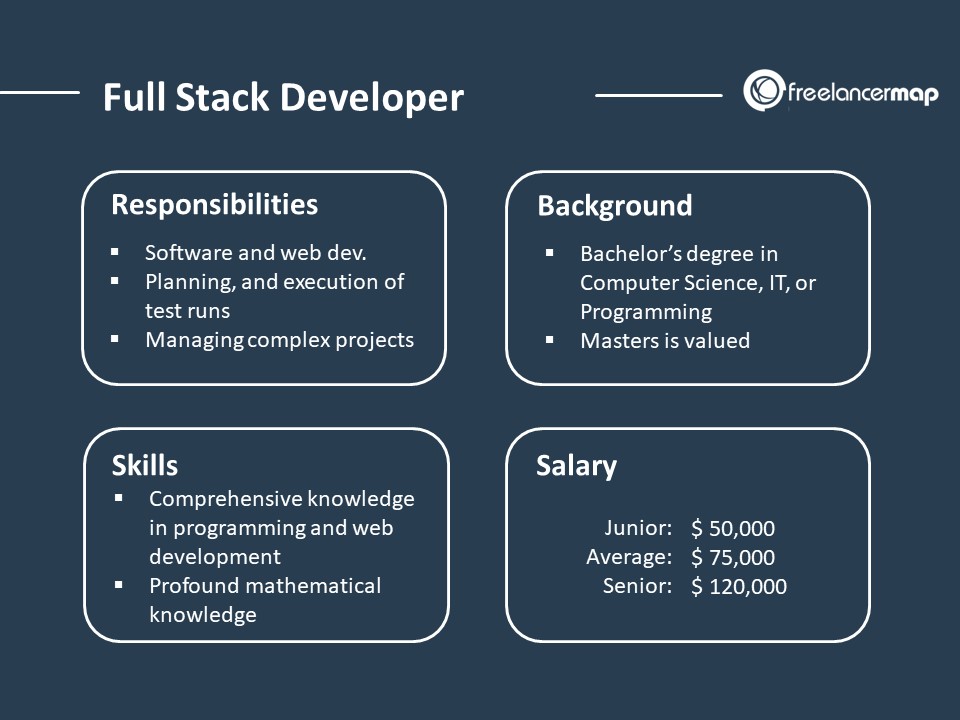
What Does a Full-Stack Developer Really Do?
A full-stack developer is a versatile software engineer with expertise in both the frontend and backend of web development. This role involves working on multiple layers of an application, enabling them to create a seamless user experience from the ground up. On the frontend, a full-stack developer utilizes languages like HTML, CSS, and JavaScript to build the components of a website that users interact with directly. In contrast, the backend encompasses server-side programming, where they often use languages such as Node.js, Python, or Ruby to manage databases, authenticate users, and ensure that the application runs smoothly.
In addition to coding skills, a full-stack developer must possess strong problem-solving abilities and a keen understanding of how different technologies integrate. They often face the challenge of ensuring that the user interface is not only visually appealing but also functional and efficient. Working closely with designers and other developers, a full-stack developer may also participate in Agile methodologies, contributing to the project lifecycle from planning to deployment. This comprehensive skill set allows them to navigate through various stages of development, making them invaluable in a fast-paced tech environment.