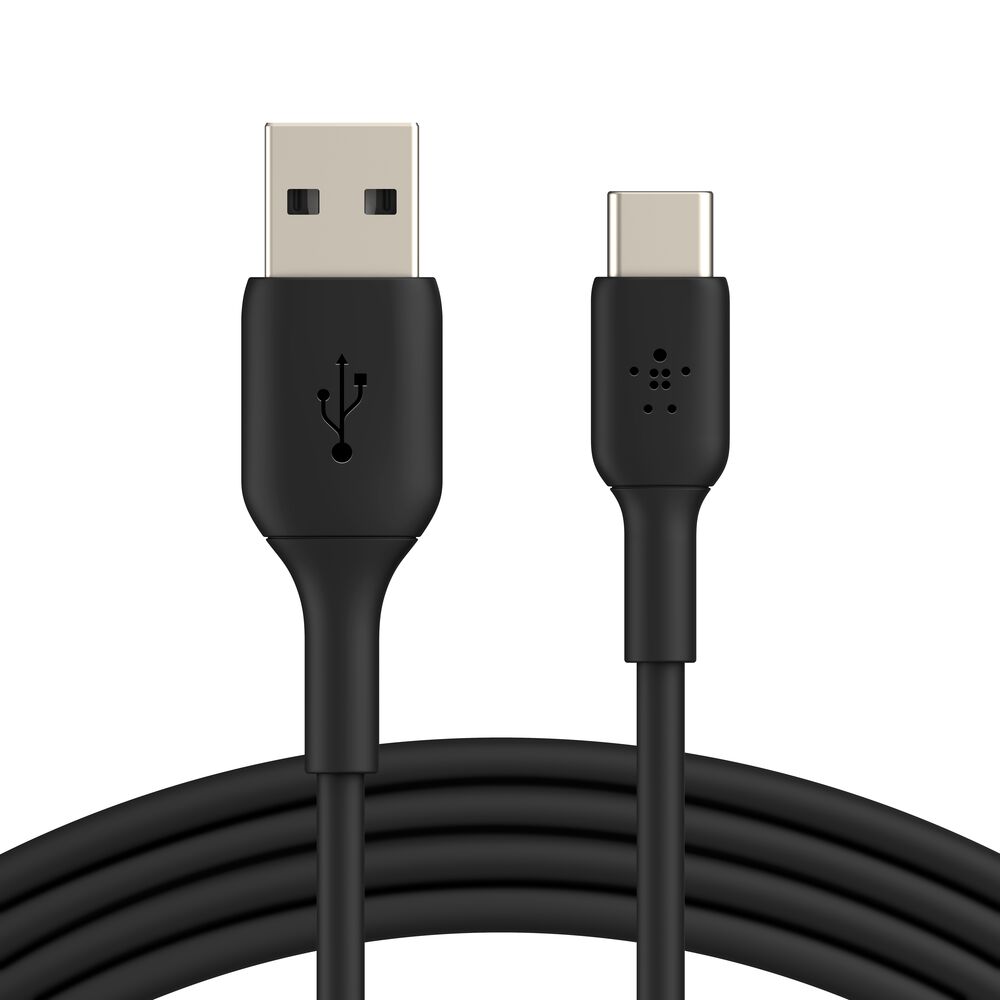
The Evolution of USB-C: How a Simple Connector Became a Game Changer
The evolution of USB-C has transformed the landscape of electronic connectivity since its inception in 2014. Initially designed to replace various USB connectors, USB-C was introduced with a vision for greater versatility and convenience. With its symmetrical design, users can connect devices without worrying about the orientation of the plug. This simplicity has not only enhanced user experience but has also paved the way for faster data transfer rates and increased power delivery. USB-C quickly became the standard for smartphones, laptops, tablets, and peripherals, reflecting a significant shift in how we interact with technology.
As manufacturers embraced the USB-C standard, the connector's role expanded beyond mere data transfer and charging. Today, it supports a wide array of functionalities, including video output and high-speed data transfer, consolidating multiple cables into one. This versatility has not only reduced electronic waste but also simplified the lives of consumers who often juggle multiple devices. Looking ahead, the evolution of USB-C shows no signs of slowing down, with upcoming advancements promising even greater capabilities, making it a true game changer in the world of technology.
If you're looking to declutter your workspace while keeping all your devices charged, check out the Top 10 Desk Charging Stations. These stations offer a variety of features, including multiple USB ports, wireless charging capabilities, and sleek designs that fit any office aesthetic. With the right charging station, you can enhance your productivity and maintain an organized desk.
USB-C vs. Previous Standards: What Makes It Stand Out?
USB-C has revolutionized the way we connect and charge our devices, offering significant advantages over previous standards like USB-A and USB-B. One of the most notable features of USB-C is its reversible design, allowing users to plug in their cables without worrying about the orientation. This innovative design simplifies connectivity and enhances user experience. Additionally, USB-C supports faster data transfer rates, with speeds reaching up to 10 Gbps with the USB 3.1 standard, making it ideal for tasks that require high bandwidth, such as video editing and large file transfers.
Another standout feature of USB-C is its ability to deliver power to devices efficiently. Unlike older standards that typically topped out at 5V and 2.5W, USB-C incorporates the USB Power Delivery (PD) protocol, which can supply up to 100W of power. This means you can charge not only smartphones and tablets but also laptops and other high-powered devices, all through the same cable. Furthermore, the versatility of USB-C enables it to support various protocols, including HDMI and DisplayPort, optimizing both connectivity and performance across a wide range of devices.
Common Myths About USB-C: Debunking Misconceptions
USB-C is often surrounded by misconceptions that can lead to confusion among consumers. One common myth is that all USB-C cables are the same and offer identical performance. In reality, this isn't the case. The USB-C connector can support various protocols, including USB 3.1, Thunderbolt 3, and Power Delivery, among others. Therefore, it's essential to check the specifications of the cable and the devices you plan to use to ensure compatibility and optimal performance.
Another prevalent myth is that USB-C will fully replace all other types of USB connections in a short time. While USB-C is gaining popularity and offers several advantages, such as faster data transfer speeds and increased power delivery, it is unlikely to completely replace existing USB types overnight. Many devices still use older USB standards, and full adoption of USB-C will take time as manufacturers transition their products. Additionally, several peripherals and accessories may continue to use traditional USB connectors for the foreseeable future.